A Social Field Analysis of Taiwan’s Constitutional Gridlock
A Social Field Analysis of Taiwan’s Constitutional Gridlock
(QFT-Inspired Policy Framework)

Executive Summary
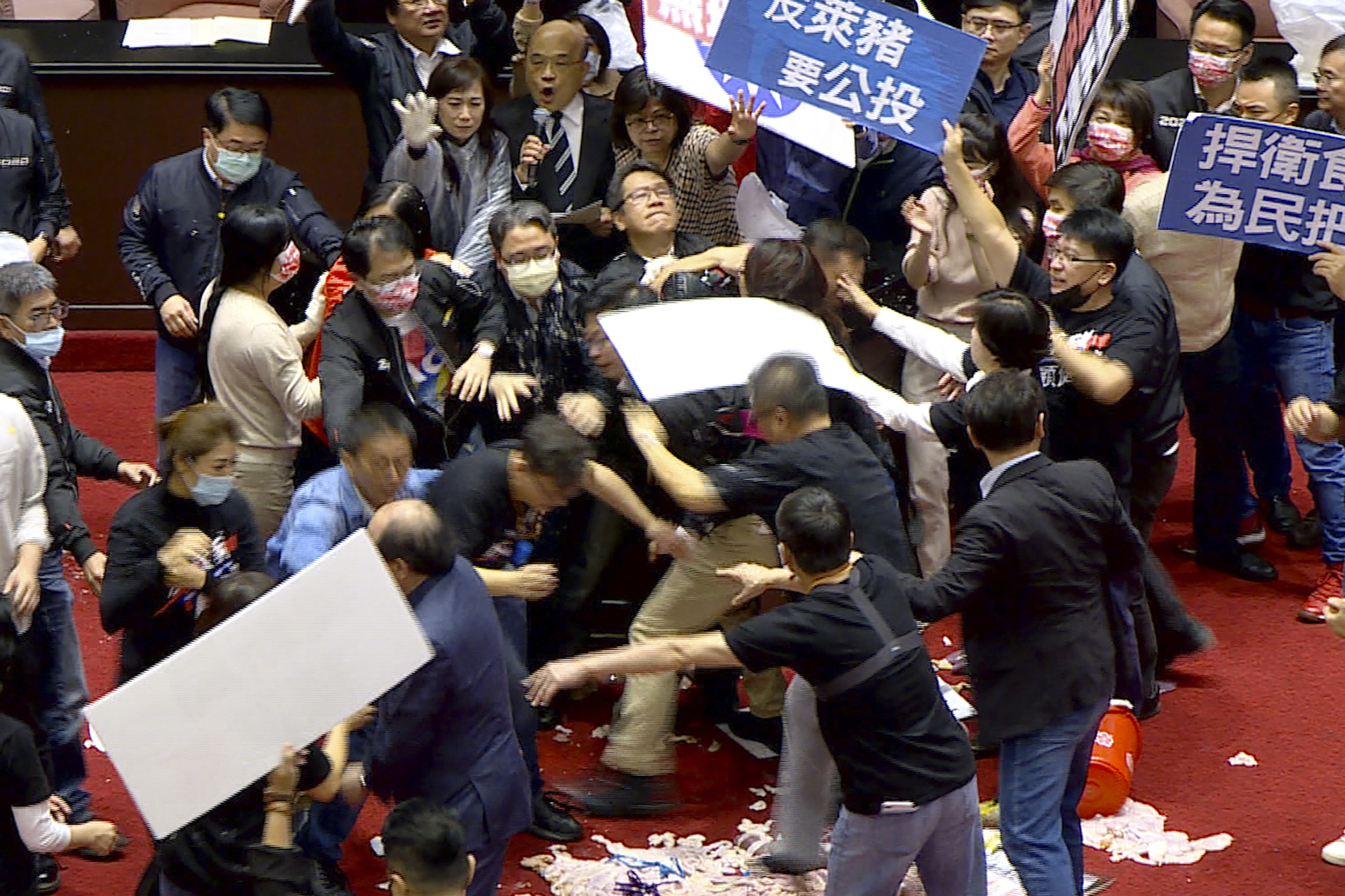
Taiwan’s current constitutional gridlock is not merely a partisan dispute but a structural imbalance within a multi-field political system operating under intense external pressure. Tensions among the Legislative Yuan, Executive Yuan, and Judicial Yuan have begun to affect governance continuity, national security decision-making, and international credibility.


Using a Quantum Field Theory–inspired analytical framework, this report argues that the core risk lies not in democratic conflict itself, but in insufficient institutional dissipation, over-activation of veto mechanisms, and phase misalignment among political actors.


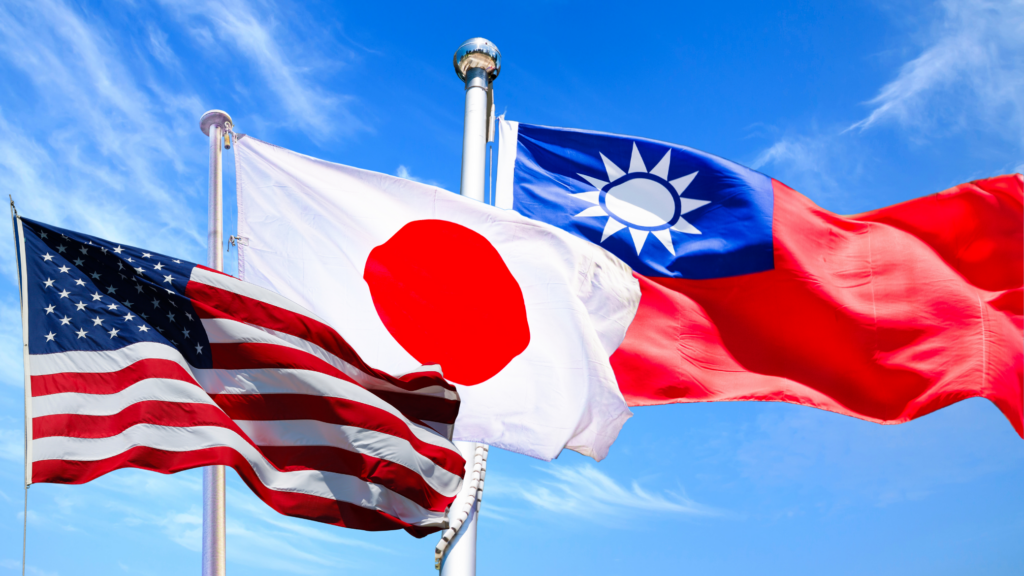
In this system, the PRC functions as a destabilizing perturbation, the U.S.–Japan alliance provides stabilizing boundary conditions, and the Taiwanese public constitutes the ultimate democratic ground state.
Analytical Framework: Taiwan as a Multi-Field Political System
Field Definitions
- E(t) = Executive governance field
- L(t) = Legislative confrontation field
- J(t) = Judicial / constitutional constraint field
- P(t) = Civic–democratic public field
- C(t) = PRC external perturbation
- A(t) = U.S.–Japan alliance boundary field
Effective Social Lagrangian (Simplified) ℒ = ½(∂E/∂t)² − V(E) + α·E·L + β·E·J − γ·C·(E + L) + δ·A·E − η·(L − J)² − μ·(∂E/∂t)
Key Policy Interpretation
- −γ·C·(E + L): PRC actions amplify internal friction rather than directly altering outcomes.
- δ·A·E: The alliance stabilizes boundaries but does not substitute for governance.
- μ (Dissipation): Represents budget continuity, negotiation mechanisms, and procedural stability. Low μ → high risk of institutional breakdown.
Political Parties as Phase Sub-Fields
Definitions
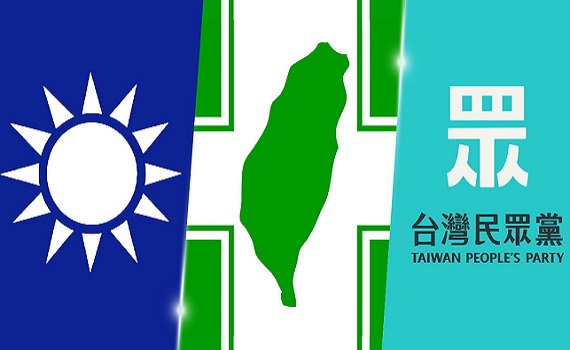
- G(t) = DPP governance-aligned field
- B(t) = KMT oppositional / veto-amplification field
- W(t) = TPP swing / volatility field

Party Interaction Terms ℒ_party = + λ₁·G·E − λ₂·B·E + λ₃·W·E − ξ₁·(G − B)² − ξ₂·(W − G)² − ξ₃·(W − B)²
Key Implications
- DPP: Governance continuity provider; excessive mobilization increases systemic energy.
- KMT: Structural counter-phase actor; veto maximalism reduces institutional dissipation.
- TPP: Critical swing field; alignment choices can trigger phase transitions.

The Public as the Democratic Ground State
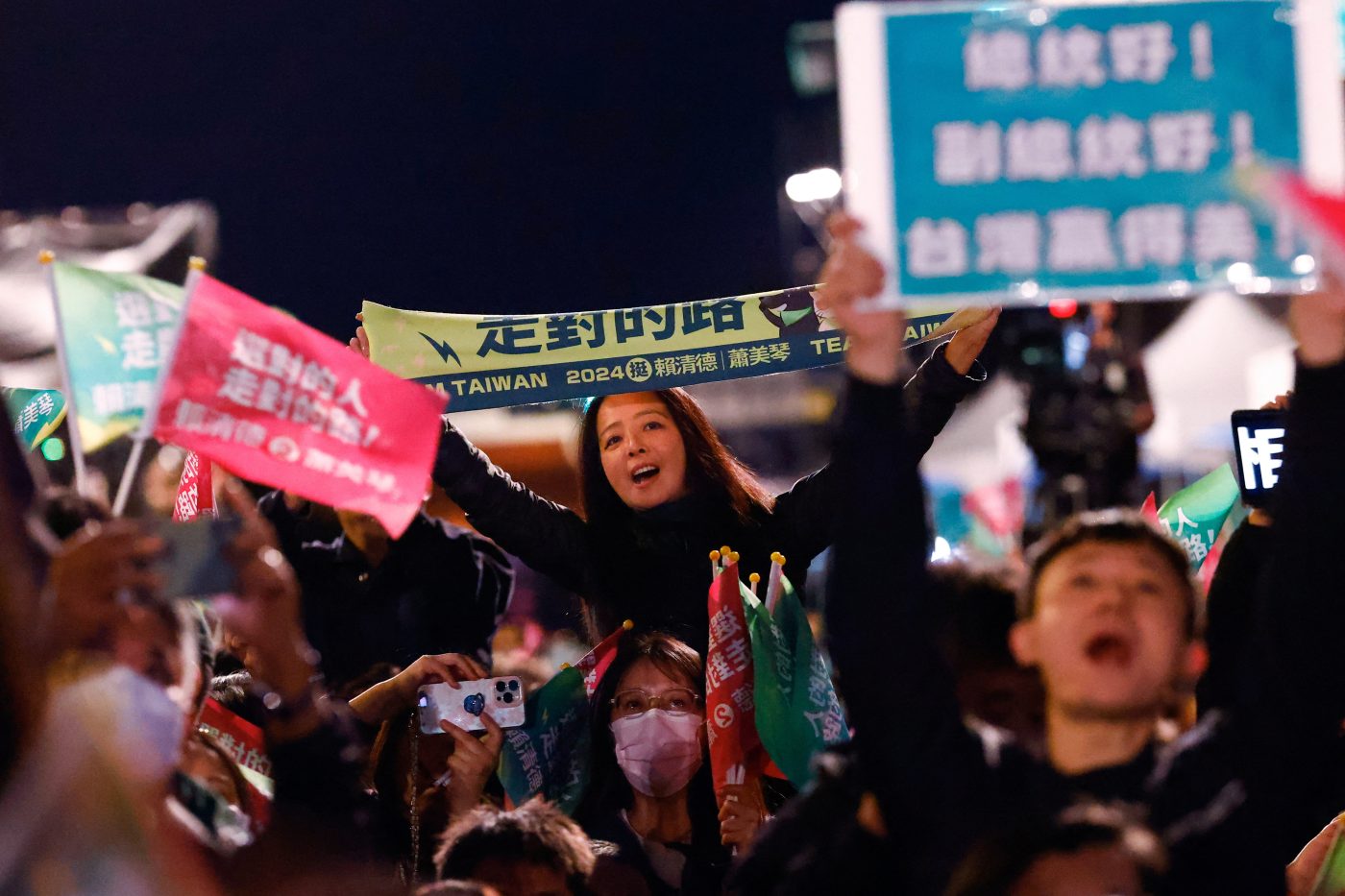
⟨P⟩ = P₀ > 0
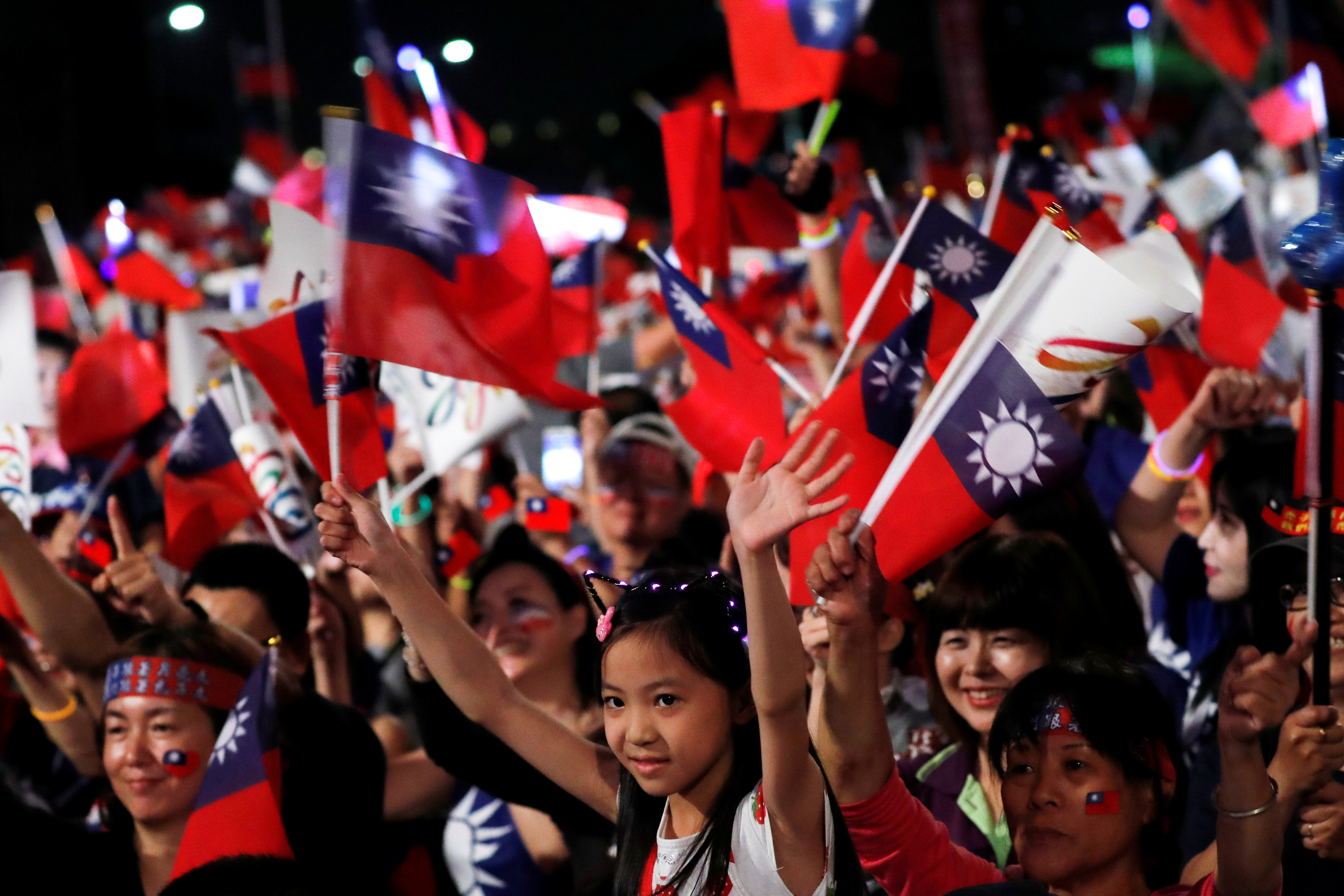
Taiwanese civic commitment to democracy forms a non-zero vacuum expectation value—the ultimate stabilizer of the system.
National Security & External Perspective
- Prolonged dysfunction risks being weaponized by the PRC.
- U.S.–Japan focus on predictability, not partisan outcomes.
- The presidency functions as a system stabilizer, not a partisan agent.
Key Messages for International Partners
- Taiwan faces democratic stress, not democratic failure.
- External support cannot replace internal dissipation mechanisms.
- Public trust is Taiwan’s most critical security asset.
Conclusion
Taiwan’s stability depends not on which party prevails, but on whether the political system remains renormalizable. As long as the democratic ground state holds, recovery remains possible.


留言
張貼留言