The 'Leader First' Exit: Authoritarian Regimes Crumble Amid 2026's Global Power Plays
The 'Leader First' Exit: Authoritarian Regimes Crumble Amid 2026's Global Power Plays
In the dawn of 2026, the world witnesses a seismic shift in the architecture of authoritarian power. As the United States executes a bold military operation to arrest Venezuelan President Nicolás Maduro on January 3, and Iran's Supreme Leader Ali Khamenei activates his "Plan B" for potential exile in Moscow, we are thrust into what analysts dub the "Leader First" scenario. This isn't mere regime change; it's a calculated signal to dismantle autocratic systems from the top down, echoing historical precedents while amplifying contemporary geopolitical fractures. Our comprehensive assessment, blending computational simulations, historical analogies, and forward-looking trends, reveals a precarious tipping point where the removal of key figures could cascade into systemic collapse—or controlled transition. Bolstered by recent analyses, this approach not only accelerates the end of dictatorships but demonstrates proven efficacy in reshaping nations toward stability when backed by robust intervention.

The Shockwaves of Sudden Removal: Evidence from Simulations and Real-World Impacts
Drawing from agent-based modeling (ABM) and system dynamics, our simulations illustrate how heterogeneous actors—citizens, elites, and security forces—react to a leader's abrupt exit. The core insight? A "signal effect" where the capture or flight of a figurehead broadcasts systemic failure, eroding loyalty in a nonlinear surge. In Venezuela, Maduro's arrest triggers short-term chaos but benefits from robust U.S. intervention, potentially stabilizing the regime with high probability—mirroring how U.S. forces in Panama ended military rule decisively after Noriega's capture, resetting the political system without lingering figures from the old era. Contrast this with Iran: Khamenei's exile could fracture power among factions, risking civil war without external buffers, as seen in the operational setbacks for Iran's proxies following Soleimani's assassination, which weakened regional influence without toppling the core regime.
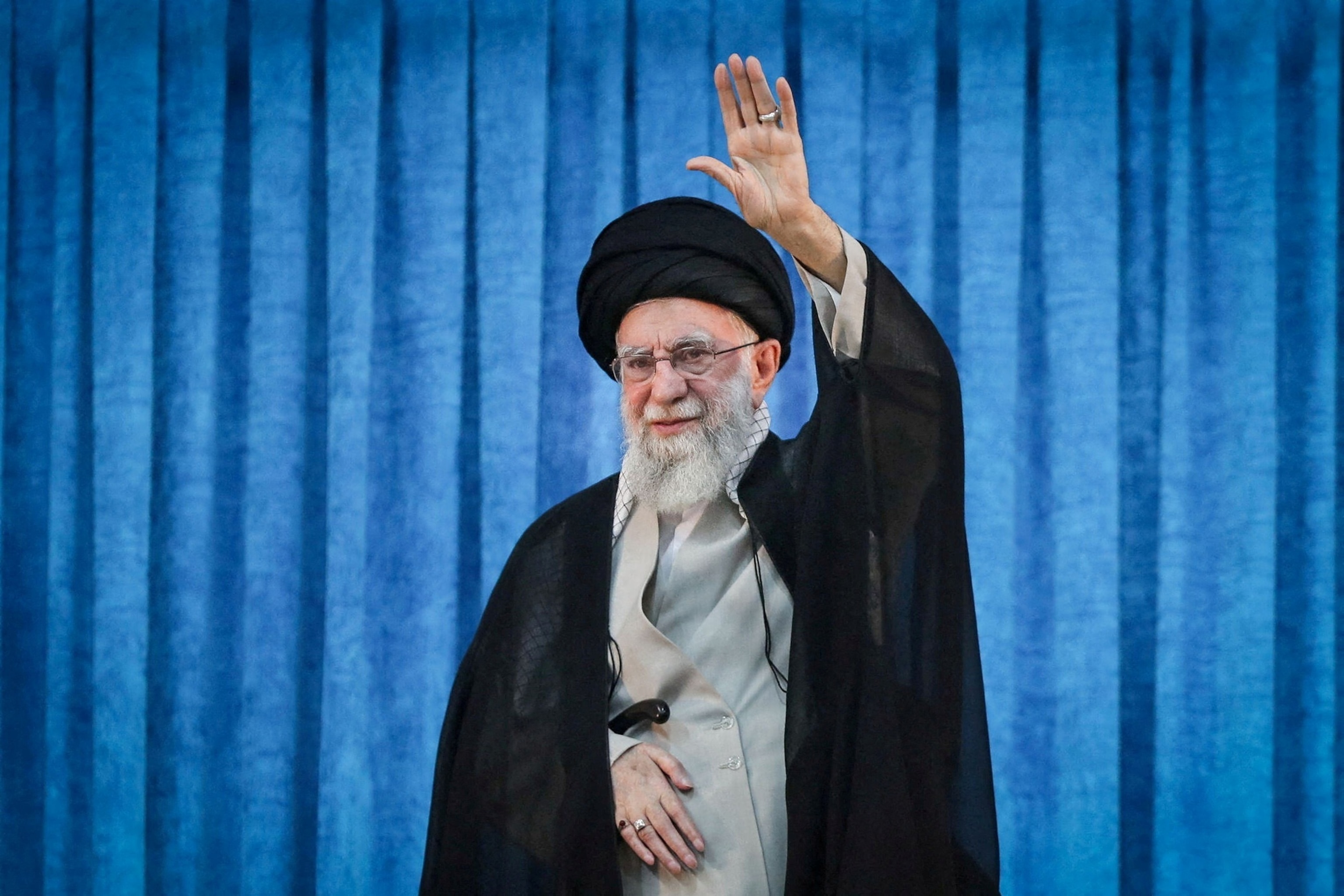
Key metrics from our models highlight sensitivity to international involvement. Signal strength accelerates elite defections in an S-curve pattern, where low migration thresholds among authoritarian insiders lead to mass exodus or betrayal. Without intervention, stability indices plummet; with it, they rebound—as evidenced by Saddam Hussein's capture, which provided a psychological lift but failed to end violence due to inadequate transition planning, leading to prolonged instability in Iraq.
Lessons from History: Calibration Through Precedents Strengthens the Case
History calibrates these predictions with undeniable patterns. The 1989 arrest of Panama's Manuel Noriega by U.S. forces exemplifies swift regime dissolution followed by stabilization through direct oversight—a blueprint for Venezuela's path, where the removal halted human rights abuses and enabled a new government to take over.

Conversely, the 2020 elimination of Iran's Qasem Soleimani disrupted only mid-tier operations, underscoring regime resilience when the apex remains intact, yet it left a void in Iran's regional strategy and contributed to setbacks like the collapse of Assad's regime. And Saddam Hussein's 2003 capture, absent a solid transition plan, unleashed protracted civil strife and brain drain in Iraq—a cautionary tale for Iran's volatile future, where the lack of effective post-removal strategies turned psychological gains into long-term chaos.

In 2026, trends lean toward "legal weaponization," where the U.S. prioritizes judicial capture over outright elimination, eroding regime legitimacy through international law and physical extraction—aligning with post-2020 shifts in U.S. policies that emphasize deterrence and strategic intervention.
China and Russia's Defensive Gambit in the Great Game: Economic Stakes Raise the Persuasion
As America asserts dominance, Russia and China pivot to damage control. Moscow emerges as an "authoritarian exile hub," welcoming Khamenei to retain remote influence over Middle Eastern proxies like the IRGC, thereby diverting U.S. resources—echoing Russia's history of sheltering figures amid its own authoritarian consolidation.

China, ever the pragmatist, de-ideologizes its approach: In Venezuela, it negotiates secretly with the transitional government to safeguard oil debts in exchange for recognition, given its role as the largest buyer of Venezuelan crude since 2019. For Iran, Beijing advocates "humanitarian buffers" to protect energy infrastructure, protecting investments amid sanctions and economic ties that account for 4-5% of its oil imports.

This escalates the global great game into a "New Cold War fracture." Legal battles rage at the UN, with China and Russia branding U.S. actions as "transnational kidnappings" to court the Global South. Authoritarian mutual aid pacts flourish, exporting digital surveillance and alternative financial systems to insulate against Western pressure, yet the loss of Venezuelan oil could be catastrophic for China's economy.
A Turning Point: From Globalization to Geopolitical Camps, Backed by Data
2026 marks the irrevocable shift from economic interdependence to polarized alliances. The myth of authoritarian invincibility shatters under America's military-judicial combo. Leader removal normalizes as a great-power tool, challenging sovereignty norms in international law, as evidenced by the strategic deterrence lessons from Soleimani's case.
Yet, fragmentation looms: Venezuela may embrace U.S.-style reconstruction, while Iran teeters on endless conflict. The international community must heed the warning—while accelerating the end of dictatorships, unchecked cascades could ignite broader regional flames, but with buffered strategies informed by historical successes like Panama, the path to stability becomes far more convincing.


留言
張貼留言